"Slowly, very slowly, like two unhurried compass needles, the feet turned towards the right; north, north-eat, east, south-east, south, south-south-west; then paused, and , after a few seconds, turned as unhurriedly back towards the left. South-south-west, south, south-east, east..." (pg. 259)
And so, with an ominous, disturbing picture, Huxley ends Brave New World. I was saddened by the ending, yet saw in it the warning that Huxley was issuing all along: science can be dangerous if it is not kept in check. Also, that what may appear a minor loss of independence can escalate into an all-controlling world power. Overall, I found Brave New World unlike anything I had ever read before, and when I put the book down, the word I kept repeating to my family was: "weird". Not particularly terrible or amazing, but weird.
In other subjects, I was originally surprised that no real change was made to the "Brave New World"; no rebellion occurred, no leader arose to give the citizens their independence, no pledges to abolish soma were made. Then, I realized that I had never expected these things to happen in the first place, I had simply wished for them. In a world with so much order, so much stability, and so much contentment over the way things are, it would be almost impossible to change anything. In the words of Mostapha Mond, "We don't want to change. Every change is a menace to stability. (pg. 225)
Friday, July 8, 2011

I Want It All
"All right then," said the Savage defiantly, "I'm claiming the right to be unhappy." (pg. 240)
In this passage, John makes a statement that follows the theme of true happiness. He decides that if it means that he will be allowed to experience God, and passion, and freedom, and beauty, he will also accept some unhappiness. He is different from any other man in society because he wants it all, and has not been conditioned to overlook poetry and other forms of beauty.
I liked how chapters 16 and 17 explained the morals of the society. Even though they became more and more apparent throughout the book, seeing both sides of the argument happening in a place other than my own mind was refreshing. It didn't however, make it much more simple. In fact, it brought more elements into the argument, such as God and hardships and simple beauties. Honestly, at this point there is still no resolution to the argument. John, however, has shown his true colors.
In this passage, John makes a statement that follows the theme of true happiness. He decides that if it means that he will be allowed to experience God, and passion, and freedom, and beauty, he will also accept some unhappiness. He is different from any other man in society because he wants it all, and has not been conditioned to overlook poetry and other forms of beauty.
I liked how chapters 16 and 17 explained the morals of the society. Even though they became more and more apparent throughout the book, seeing both sides of the argument happening in a place other than my own mind was refreshing. It didn't however, make it much more simple. In fact, it brought more elements into the argument, such as God and hardships and simple beauties. Honestly, at this point there is still no resolution to the argument. John, however, has shown his true colors.
When will the Prodigal Son return?
"We've now got youth and prosperity right up to the end. What follows? Evidently, that we can be independent of God." (pg 233)
I find it incredibly interesting that Mustapha Mond not only knows about and somewhat understands God, but believes he exists. In my mind throughout the entire book, I have thought that the controllers of the World State must support the state and its philosophies 100%, completely deny the existence of God, and strictly follow all of the social guidelines. Yes, there was a hint at the beginning of the novel about rumors of Mond having forbidden books, but I chose to ignore it. Therefore, I was shocked by Mond's knowledge of God and by his individuality. Now, more importantly, there is the idea of the members of society not needing God.
As humans, we often decide to forget about God when things are going well, to pretend that we achieved everything without him. Then, in times of hardship or sorrow, we turn to God again. Thankfully, God is always there, always ready to forgive us. If the society in Brave New World were to actually exist, I would think it inevitable that it would someday fail, despite the stability that is always spoken of. And when it would fail, God would be there to help pick up the pieces, even though he had been forgotten about for so long. He would celebrate as if the prodigal son had returned. As it is, the society exists without God, and "everyone is happy." In my opinion, there's no way it can last without God.
I find it incredibly interesting that Mustapha Mond not only knows about and somewhat understands God, but believes he exists. In my mind throughout the entire book, I have thought that the controllers of the World State must support the state and its philosophies 100%, completely deny the existence of God, and strictly follow all of the social guidelines. Yes, there was a hint at the beginning of the novel about rumors of Mond having forbidden books, but I chose to ignore it. Therefore, I was shocked by Mond's knowledge of God and by his individuality. Now, more importantly, there is the idea of the members of society not needing God.
As humans, we often decide to forget about God when things are going well, to pretend that we achieved everything without him. Then, in times of hardship or sorrow, we turn to God again. Thankfully, God is always there, always ready to forgive us. If the society in Brave New World were to actually exist, I would think it inevitable that it would someday fail, despite the stability that is always spoken of. And when it would fail, God would be there to help pick up the pieces, even though he had been forgotten about for so long. He would celebrate as if the prodigal son had returned. As it is, the society exists without God, and "everyone is happy." In my opinion, there's no way it can last without God.
Ignorance is Bliss
"People are happy; they get what they want, and they never want what they can't get. They're well off; they're safe; they're never ill; they're not afraid of death; they're blissfully ignorant of passion and old age; they're plagued with no mothers or fathers; they've got no wives, or children, or lovers to feel strongly about; they're so conditioned that they practically can't help behaving as they ought to behave." (pg. 220)
At this point in the novel, I think it is necessary to go back to my earlier question- is there a difference between real happiness and thinking you are happy? Now, I know that there is. The happiness that the people of Brave New World live with is not true happiness; it is ignorance. I suppose, in this context, the saying "ignorance is bliss" is proven to be true. However, I believe that happiness is built around passion, around overcoming hardships, about learning to appreciate little things. The members of society don't do any of these things, because they don't feel passion or love or despair. So- do they truly feel happiness? I don't think so. Truthfully, they are most "happy" when they are able to forget about the world and go on a soma-holiday. Most happy when they aren't in their own world? What is wrong with this picture? The idea of a world of ignorant bliss may be appealing to some, but I don't think giving up love and passion is worth it.
"We each move forward secure on our own earth, not the earth of others. Happiness is something we must create for ourselves. No one else can give it to us. "
At this point in the novel, I think it is necessary to go back to my earlier question- is there a difference between real happiness and thinking you are happy? Now, I know that there is. The happiness that the people of Brave New World live with is not true happiness; it is ignorance. I suppose, in this context, the saying "ignorance is bliss" is proven to be true. However, I believe that happiness is built around passion, around overcoming hardships, about learning to appreciate little things. The members of society don't do any of these things, because they don't feel passion or love or despair. So- do they truly feel happiness? I don't think so. Truthfully, they are most "happy" when they are able to forget about the world and go on a soma-holiday. Most happy when they aren't in their own world? What is wrong with this picture? The idea of a world of ignorant bliss may be appealing to some, but I don't think giving up love and passion is worth it.
"Where can we find happiness? Happiness is not found in a tranquil life free of storms and tempests. Real happiness is found in the struggles we undergo to realize our goals, in our efforts to move forward. "
Truth or Trash?
"Ford helps those who help themselves." (pg. 213)
Throughout Brave New World, I think it can be agreed upon that where someone in our world would say God or Lord, members of the new society say Ford. Therefore, the above quote can be considered an everyday aphorism which could be heard today. In this context, the aphorism gave Helmholtz the motivation to join John in his phlight to change the world. It might have seemed hopeless or pointless, but Helmholtz joined nonetheless, in order to feel that he was standing up for individuality. This particular aphorism was used for positive change; many other "aphorisms", if you will, are spoken throughout this book for a different purpose. They are also called hypnopaedic proverbs, phrases such as "Every one belongs to every one else". In my mind, those sayings wouldn't qualify as aphorisms; aphorisms "make a wise observation about life". However, members of the World State society believe these words to be infallible truths, undeniable maxims. So many things about the "Brave New World" are the opposite of what we believe- why not one more?
Throughout Brave New World, I think it can be agreed upon that where someone in our world would say God or Lord, members of the new society say Ford. Therefore, the above quote can be considered an everyday aphorism which could be heard today. In this context, the aphorism gave Helmholtz the motivation to join John in his phlight to change the world. It might have seemed hopeless or pointless, but Helmholtz joined nonetheless, in order to feel that he was standing up for individuality. This particular aphorism was used for positive change; many other "aphorisms", if you will, are spoken throughout this book for a different purpose. They are also called hypnopaedic proverbs, phrases such as "Every one belongs to every one else". In my mind, those sayings wouldn't qualify as aphorisms; aphorisms "make a wise observation about life". However, members of the World State society believe these words to be infallible truths, undeniable maxims. So many things about the "Brave New World" are the opposite of what we believe- why not one more?
Death is NOT a big deal, I promise...
"Undoing all their wholesome death-conditioning with this disgusting outcry- as though death were something terrible, as though any one mattered as much as all that! It might give them the most disastrous ideas about the subject, might upset them into reacting in the entirely wrong, the utterly anti-social way." (pg. 206)
Death is something that the human race in general has an innate fear of; whether it is dying ourselves, or the thought of a loved one dying. As humans, we believe that each person has worth, has human dignity, and should be able to live. In Brave New World, however, society is worth much more than any human life. Each child in society goes through death-conditioning, to de-sensitize them to death; this is something that John was never exposed to. Thereforefore, when John's "savage" view of death collided with the society's take on death, chaos was the only logical response. It was shocking to be in the mind of the nurse (thank the omniscient narrator for that) and hear how she was only worried about how the children would react, and didn't want them to be confused into thinking that death was something to be upset about. Shocking, also, is the idea that such great precautions are taken to avoid diseases, illnesses, and aging, when everyone dies fairly young anyways due to their modern lifestyles. Ironic, or demented. Also ways to describe the World State's logic. All of this twisted thoughts have me upset, I think I need a soma-holiday...
Death is something that the human race in general has an innate fear of; whether it is dying ourselves, or the thought of a loved one dying. As humans, we believe that each person has worth, has human dignity, and should be able to live. In Brave New World, however, society is worth much more than any human life. Each child in society goes through death-conditioning, to de-sensitize them to death; this is something that John was never exposed to. Thereforefore, when John's "savage" view of death collided with the society's take on death, chaos was the only logical response. It was shocking to be in the mind of the nurse (thank the omniscient narrator for that) and hear how she was only worried about how the children would react, and didn't want them to be confused into thinking that death was something to be upset about. Shocking, also, is the idea that such great precautions are taken to avoid diseases, illnesses, and aging, when everyone dies fairly young anyways due to their modern lifestyles. Ironic, or demented. Also ways to describe the World State's logic. All of this twisted thoughts have me upset, I think I need a soma-holiday...
Thursday, July 7, 2011
Plays, Poems, and Lyrics
"'The murkiest den, the most opportune place' (the voice of conscience thundered poetically), 'the strongest suggestion our worser genius can, shall never melt mine honour into lust. Never, never!' he resolved." (pg. 192)
As John instinctively quotes The Tempest, I was reminded of a person who has turrets; it is almost like John can't prevent his outbursts of Shakespeare. When he gets nervous, it seems second nature to John to use the words of Shakespeare to express his feelings, rather than thinking of words himself. Similiarly, Fezzik in The Princess Bride uses rhymes when he is nervous; it comforts him like Shakespeare comforts John. Even Lenina got into the mood of using poetry to display her emotions with lyrics from society's songs. Sometimes, our own words aren't enough to describe our feelings. Instead, I find that songs can comfort me and describe what I am feeling. Even when the situation isn't the same, the lyrics can capture an emotion in a way that nothing else can. Othello, The Tempest, Romeo and Juliet, King Lier, and Timon of Athens are a few, but not all of the works that John quotes. I find it interesting that he feels such a connection with the words of Shakespeare; he doesn't even understand all of the situations himself, because although his life on the reservation is closer to the situations described in Shakespeare than life in society, times have still changed immensely. I think part of his connection is due to the fact that the book of Shakespeare is all his own, nobody else's. Similiarly, I believe that John is all his own man, a lone person who will never have to conform to a society. If he can survive in the "Brave New World".
As John instinctively quotes The Tempest, I was reminded of a person who has turrets; it is almost like John can't prevent his outbursts of Shakespeare. When he gets nervous, it seems second nature to John to use the words of Shakespeare to express his feelings, rather than thinking of words himself. Similiarly, Fezzik in The Princess Bride uses rhymes when he is nervous; it comforts him like Shakespeare comforts John. Even Lenina got into the mood of using poetry to display her emotions with lyrics from society's songs. Sometimes, our own words aren't enough to describe our feelings. Instead, I find that songs can comfort me and describe what I am feeling. Even when the situation isn't the same, the lyrics can capture an emotion in a way that nothing else can. Othello, The Tempest, Romeo and Juliet, King Lier, and Timon of Athens are a few, but not all of the works that John quotes. I find it interesting that he feels such a connection with the words of Shakespeare; he doesn't even understand all of the situations himself, because although his life on the reservation is closer to the situations described in Shakespeare than life in society, times have still changed immensely. I think part of his connection is due to the fact that the book of Shakespeare is all his own, nobody else's. Similiarly, I believe that John is all his own man, a lone person who will never have to conform to a society. If he can survive in the "Brave New World".
Fordisms
"...with the gesture of one who removes his pearl from before swine, locked it away in its drawer." (pg. 185)
In a book full of references to the past, Huxley has here made a subtle allusion to the Bible in order to explain that John doesn't believe Helmholtz and Bernard appreciate his book. And in truth, they do not. As much as they may try to understand the emotions and passions that course through the pages of Shakespeare, they never will because they have been raised to believe such thoughts are ludacris.
Subtle allusions, however, are not generally Huxley's style. Brave New World is a futuristic book that makes its foundation on the past, from Shakespeare to Christianity to Native Americans. Only through references to the past does the reader understand how different the "Brave New World" is, how it scorns at parenthood and marriage. One of the most common allusions is to Henry Ford, who was the founder of the Ford Motor Company and credited with the development of the assembly line. His company created the Model T automobile (hence the sign of the T) and he is credited with "Fordism" which has a philosophy along the lines of Marxism, with consumerism as the way to peace. When looking up Henry Ford, I noticed that his company and Fordism put a strong emphasis on specialized jobs within the assembly line. This sounds familiar, huh? Yes, every member of the Brave New World society is specifically conditioned to do one job, often on an assembly line like the women in the Fertilizing Room. The idea of Fordism itself doesn't seem like a terrible one, but it can easily be turned into an overbearing demon, as it has in Brave New World.
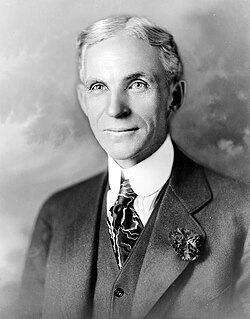

Henry Ford, The Model T Automobile
In a book full of references to the past, Huxley has here made a subtle allusion to the Bible in order to explain that John doesn't believe Helmholtz and Bernard appreciate his book. And in truth, they do not. As much as they may try to understand the emotions and passions that course through the pages of Shakespeare, they never will because they have been raised to believe such thoughts are ludacris.
Subtle allusions, however, are not generally Huxley's style. Brave New World is a futuristic book that makes its foundation on the past, from Shakespeare to Christianity to Native Americans. Only through references to the past does the reader understand how different the "Brave New World" is, how it scorns at parenthood and marriage. One of the most common allusions is to Henry Ford, who was the founder of the Ford Motor Company and credited with the development of the assembly line. His company created the Model T automobile (hence the sign of the T) and he is credited with "Fordism" which has a philosophy along the lines of Marxism, with consumerism as the way to peace. When looking up Henry Ford, I noticed that his company and Fordism put a strong emphasis on specialized jobs within the assembly line. This sounds familiar, huh? Yes, every member of the Brave New World society is specifically conditioned to do one job, often on an assembly line like the women in the Fertilizing Room. The idea of Fordism itself doesn't seem like a terrible one, but it can easily be turned into an overbearing demon, as it has in Brave New World.
Henry Ford, The Model T Automobile
Wednesday, July 6, 2011
The Popping of the Balloon
"Pierced by every word that was spoken, the tight balloon of Bernard's happy self-confidence was leaking from a thousand wounds."
Huxley uses an extended metaphor comparing Bernard's confidence to a balloon during Chapters Eleven and Twelve. With Bernard feeling "light as air", the reader understands his elation at being accepted. They later also understand his dissapointment and turmoil at his "friends'" betrayal. He comes crashing down from his temporary popularity all because of one party that John refused to go to. This makes me wonder: why exactly did John refuse to attend the party? He doesn't seem to particularly dislike Bernard; in fact, I took his attitude towards Bernard as respect. True, it would be frustrating to be frequently used as a way to become popular. I don't think that is why John wouldn't attend the party, though. I think he was simply frustrated with the "Brave New World" in general, and wanted to set himself apart from it for awhile. When he is cursing at Bernard, he doesn't aim his curses at Bernard, but instead at the Arch-Community-Songster. This represents his anger at the society, for the way it uses him, for its unfamiliar technologies, and the way it treats his mother. At this point in the story, John is left with anger and frustration, while Bernard feels betrayed and dissapointed. What a jolly duo they make.
Huxley uses an extended metaphor comparing Bernard's confidence to a balloon during Chapters Eleven and Twelve. With Bernard feeling "light as air", the reader understands his elation at being accepted. They later also understand his dissapointment and turmoil at his "friends'" betrayal. He comes crashing down from his temporary popularity all because of one party that John refused to go to. This makes me wonder: why exactly did John refuse to attend the party? He doesn't seem to particularly dislike Bernard; in fact, I took his attitude towards Bernard as respect. True, it would be frustrating to be frequently used as a way to become popular. I don't think that is why John wouldn't attend the party, though. I think he was simply frustrated with the "Brave New World" in general, and wanted to set himself apart from it for awhile. When he is cursing at Bernard, he doesn't aim his curses at Bernard, but instead at the Arch-Community-Songster. This represents his anger at the society, for the way it uses him, for its unfamiliar technologies, and the way it treats his mother. At this point in the story, John is left with anger and frustration, while Bernard feels betrayed and dissapointed. What a jolly duo they make.
ACCEPTED (for now)
"Bernard went off in a huff. Never, he told himself, never would he speak to Helmholtz again." (pg. 157)
In the time following Lenina and Bernard's return from the Reservation, Bernard feels new and included. It is a testament to mankind's tendancy to want to be accepted; no matter how much someone says that they want to be "different" or that they don't care if they are included, they are lying. Every human being has an urge to be accepted, and happiness can directly stem from that feeling of acceptance. Before he was in the "in crowd", Bernard felt animosity toward the World State and some of society's rules. Afterwards, however, he felt no guilt being with many women and associating himself with people who only wanted his company in order to be near the "Savage". It was shocking to me that he even alienated himself from Helmholtz, his one true friend. I believe that Helmholtz may have reminded him of what he was before he discovered John, and he didn't want to stay tied to his old, unhappy self. There is no doubt in my mind that Bernard will regret leaving Helmholtz in the dust, and that it will come back to bite him in the butt.
"Almost every man wastes part of his life in attempts to display qualities which he does not possess, and to gain applause which he cannot keep." ~Samuel Johnson, The Rambler, 1750
In the time following Lenina and Bernard's return from the Reservation, Bernard feels new and included. It is a testament to mankind's tendancy to want to be accepted; no matter how much someone says that they want to be "different" or that they don't care if they are included, they are lying. Every human being has an urge to be accepted, and happiness can directly stem from that feeling of acceptance. Before he was in the "in crowd", Bernard felt animosity toward the World State and some of society's rules. Afterwards, however, he felt no guilt being with many women and associating himself with people who only wanted his company in order to be near the "Savage". It was shocking to me that he even alienated himself from Helmholtz, his one true friend. I believe that Helmholtz may have reminded him of what he was before he discovered John, and he didn't want to stay tied to his old, unhappy self. There is no doubt in my mind that Bernard will regret leaving Helmholtz in the dust, and that it will come back to bite him in the butt.
"Almost every man wastes part of his life in attempts to display qualities which he does not possess, and to gain applause which he cannot keep." ~Samuel Johnson, The Rambler, 1750
Happiness or Pleasure
"To fashion, to give form, to feel his fingers gaining in skill and power- this gave him an extraordinary pleasure." (pg. 134)
The smooth connection of alliteration gives the above passage from Brave New World a feeling of rhythm, similiar to the rhythm and comfort that John feels when he works clay. As the reader takes in the words on the page, they can also feel the satisfaction that John describes in a way that wouldn't be possible in normal prose. I believe the pleasure of working with clay is Huxley's way of showing that soma isn't the only way to achieve happiness, even if the members of the civilized society don't understand those other ways. Civilized members of society have so much; pills to make them happy, endless entertainment and sexual pleasure, and a solid place in their world. However, they never experience love, committment, family, or independence. Although they are continually told "Everybody's happy now", they must often take pills to send them "on holiday", to remove them from the world they are forced to endure everyday. The members may believe they are happy, but only because they have not been given the chance to experience true happiness. Despite his hardships and sorrows, John has experienced happiness in a way that the society never does. If given the choice, I believe that most of us would pick John's life of heartache and happiness over a world of pretended pleasure.
The smooth connection of alliteration gives the above passage from Brave New World a feeling of rhythm, similiar to the rhythm and comfort that John feels when he works clay. As the reader takes in the words on the page, they can also feel the satisfaction that John describes in a way that wouldn't be possible in normal prose. I believe the pleasure of working with clay is Huxley's way of showing that soma isn't the only way to achieve happiness, even if the members of the civilized society don't understand those other ways. Civilized members of society have so much; pills to make them happy, endless entertainment and sexual pleasure, and a solid place in their world. However, they never experience love, committment, family, or independence. Although they are continually told "Everybody's happy now", they must often take pills to send them "on holiday", to remove them from the world they are forced to endure everyday. The members may believe they are happy, but only because they have not been given the chance to experience true happiness. Despite his hardships and sorrows, John has experienced happiness in a way that the society never does. If given the choice, I believe that most of us would pick John's life of heartache and happiness over a world of pretended pleasure.
Outlandish. Bizarre. Peculiar. Kooky... Need I go on?
"But it's all different here. It's like living with lunatics. Everything they do is mad." (pg. 121)
Linda's description of the savages is similiar to what I believe a member of our AP Literature class would say after a visit to the "Brave New World". It is impossible to think of the world Linda came from as normal; everything about it seems backwards and foreign to me. The attitude towards sex, the lack of individual thought (especially the hypnopaedia), the stunting of embryos, the lack of parents and spouses, all have me struggling to wrap my mind around such a world. In fact, I'll bring back the same word again; they have me disturbed. Linda and Lenina's reaction to the savages is close-minded and repulsed; however, it is what they have been "conditioned" to think. I want to shake them, scream at them that their world is very messed up as well. However, I understand that the Indians must seem very uncivilized to them. The Indians don't seem much more civilized than the Native Americans that settlers encountered in America in the 16th-19th centuries, which suprised me. I expected them to use electricity, to be clean and happy, but to simply have a "normal" family and government. As it is, nothing in Brave New World is what I expect, so I may as well get used to it.
Linda's description of the savages is similiar to what I believe a member of our AP Literature class would say after a visit to the "Brave New World". It is impossible to think of the world Linda came from as normal; everything about it seems backwards and foreign to me. The attitude towards sex, the lack of individual thought (especially the hypnopaedia), the stunting of embryos, the lack of parents and spouses, all have me struggling to wrap my mind around such a world. In fact, I'll bring back the same word again; they have me disturbed. Linda and Lenina's reaction to the savages is close-minded and repulsed; however, it is what they have been "conditioned" to think. I want to shake them, scream at them that their world is very messed up as well. However, I understand that the Indians must seem very uncivilized to them. The Indians don't seem much more civilized than the Native Americans that settlers encountered in America in the 16th-19th centuries, which suprised me. I expected them to use electricity, to be clean and happy, but to simply have a "normal" family and government. As it is, nothing in Brave New World is what I expect, so I may as well get used to it.
Images of Savages
"The mesa was like a ship becalmed in a strait of lion-coloured dust. The channel wound between precipitous banks, and slanting from one wall to the other across the valley ran a streak of green- the river and its fields. On the prow of that stone ship in the ventre of the strait, and seemingly a part of it, a shaped and geometrical outcrop of the naked rock, stood the pueblo of Malpais." (pg 107)
When writing Brave New World, Huxley employs similies, like at the beginning of the above passage, and imagery. Together, these rhetorical devices help the readers picture the scenes in their minds more vividly. The comparisons, such as with siimiles, help the readers connect the images to things that are familiar. The use of imagery, such as in the descriptions the rancid Indians in Chapter Seven, employs multiple senses and therefore provides a more complete experience for the reader.
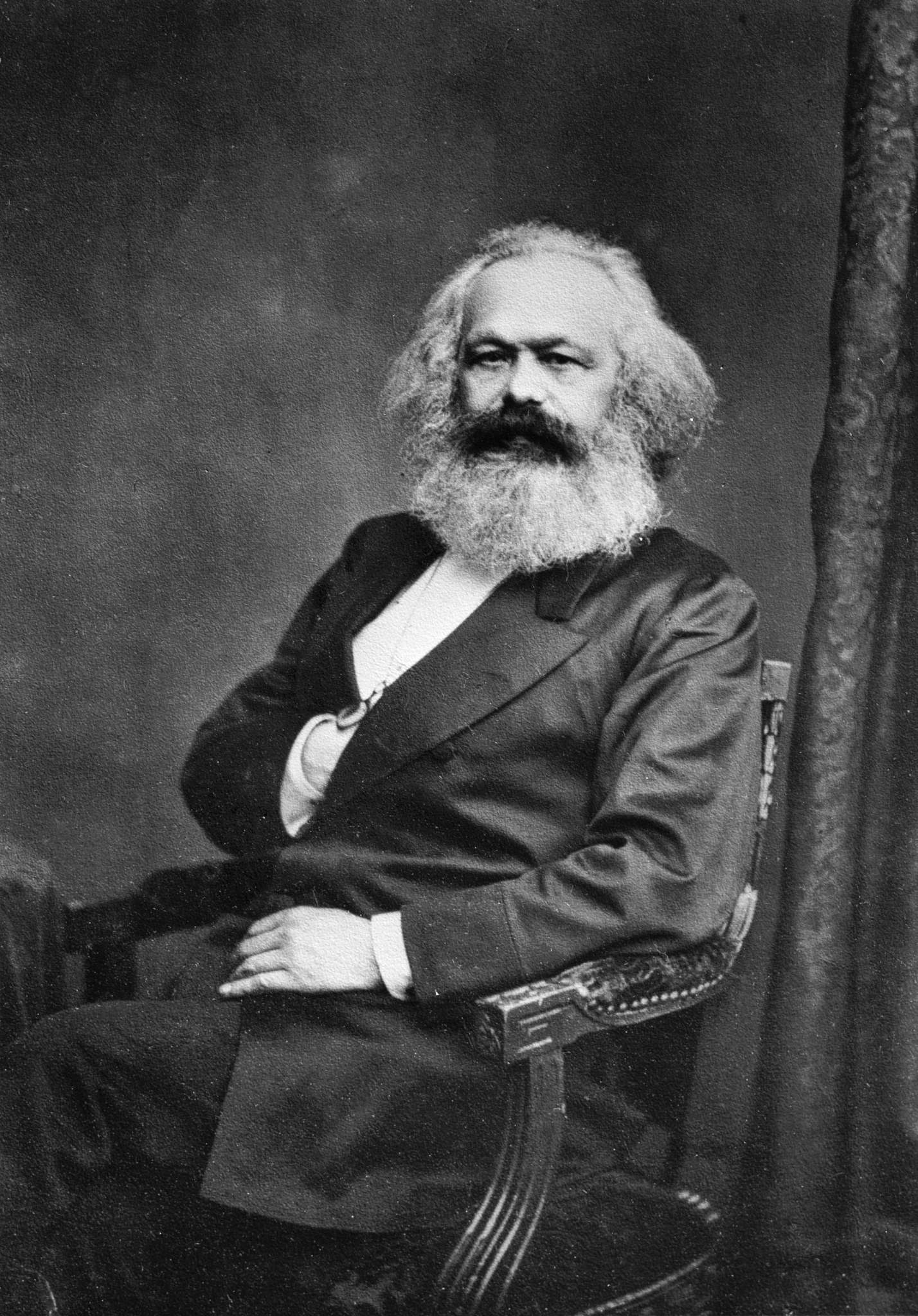
On a different topic, I feel that this post is an appropriate one to comment on Bernard's last name: Marx. It calls to mind a particular man/idea: Karl Marx and his close to communist ideas, Marxism. Marxism supports the idea that society will eventually become classless and stateless, which will result in maximum freedom for all and a world where the individual is not as important as society itself. I find it peculiar that BERNARD is the character that take the last name Marx, seeing as of all the members of the world Huxley paints, Bernard is the one whose ideas are farthest from Marxism. I am beinging to question that Bernard will start a rebellion; he seems too shy and the World State seems too oppressive. However, considering his last name and different ideas, I will keep my fingers crossed.
![]()
When writing Brave New World, Huxley employs similies, like at the beginning of the above passage, and imagery. Together, these rhetorical devices help the readers picture the scenes in their minds more vividly. The comparisons, such as with siimiles, help the readers connect the images to things that are familiar. The use of imagery, such as in the descriptions the rancid Indians in Chapter Seven, employs multiple senses and therefore provides a more complete experience for the reader.
On a different topic, I feel that this post is an appropriate one to comment on Bernard's last name: Marx. It calls to mind a particular man/idea: Karl Marx and his close to communist ideas, Marxism. Marxism supports the idea that society will eventually become classless and stateless, which will result in maximum freedom for all and a world where the individual is not as important as society itself. I find it peculiar that BERNARD is the character that take the last name Marx, seeing as of all the members of the world Huxley paints, Bernard is the one whose ideas are farthest from Marxism. I am beinging to question that Bernard will start a rebellion; he seems too shy and the World State seems too oppressive. However, considering his last name and different ideas, I will keep my fingers crossed.
Karl Marx. Attractive guy, eh?
Tuesday, July 5, 2011
A Glimpse Into the Life of the Director.
"Ford knows. Anyhow it was horrible. It upset me very much at the time. More than it ought to have done, I dare say." (pg. 97)
Before Lenina and Bernard head off to the reservation together, the Director gives Bernard a glimpse into his past with a personal anecdote about the reservation. This story gives the reader an idea of what to expect at the reservation, as far as the connection to society goes. We can infer that there is little connection to the outside world while on the reservation, and that the luxuries of life under the World State aren't present. It also helps the reader understand the fear of being seen as different or overly attached to one person that many people in society feel, due to the Director's embarrassment when he realizes what he is telling Bernard.
I found Bernard's feelings after meeting with the Director interesting. The Director's criticism and threats gave Bernard's rebelliousness fire. In some ways, I understand this; having your rebeliousness noticed makes it feel all the more daring and exciting. However, the threats (even though Bernard thought they were empty) seemed to be enough to scare many people into submission. Bernard's reaction was different than expected, but overall it seems that Bernard is simply a different person.
Before Lenina and Bernard head off to the reservation together, the Director gives Bernard a glimpse into his past with a personal anecdote about the reservation. This story gives the reader an idea of what to expect at the reservation, as far as the connection to society goes. We can infer that there is little connection to the outside world while on the reservation, and that the luxuries of life under the World State aren't present. It also helps the reader understand the fear of being seen as different or overly attached to one person that many people in society feel, due to the Director's embarrassment when he realizes what he is telling Bernard.
I found Bernard's feelings after meeting with the Director interesting. The Director's criticism and threats gave Bernard's rebelliousness fire. In some ways, I understand this; having your rebeliousness noticed makes it feel all the more daring and exciting. However, the threats (even though Bernard thought they were empty) seemed to be enough to scare many people into submission. Bernard's reaction was different than expected, but overall it seems that Bernard is simply a different person.
Opposites attract?
"'Don't you wish you were free, Lenina?'
'I don't know what you mean. I am free.'" (pg. 91)
Throughout the chapters, Lenina and Bernard have proven to be foil characters. They contrast one another because Bernard often feels like an outsider, while Lenina doesn't. Because Bernard feels like an outsider, he begins to question the World State and the values it teaches, while Lenina rarely questions anything she has been taught. I believe that later in the book, Bernard's ideas will get through to Lenina, causing her to also question the values of sexual promiscuity and the idea that everyone is happy. The author uses Bernard as a foil character of Lenina (and truthfully, most of the other characters in the story) in order to introduce a different mind to a world full of clones and implanted thoughts.

As I mentioned before, I forsee Bernard taking part in a rebellion. However, I don't think he will necessarily be a leader, because he doesn't harbour a hate for the World State or really stand for a cause like many rebelious leaders. Instead, he just feels set apart from everyone else, which may be enough to cause him to want to overthrow the World State, or at least make a change in it. Bernard and Lenina are foil characters, and Bernard may be so different from everyone else that he is not only a foil character to all, but is a piece of a rebellion.
Monday, July 4, 2011
Promiscuity, Drugs, and Cults... oh my!
"Ford, we are twelve; oh, make us one,
Like drops withing the Social River;
Oh, make us now together run
As swiftly as thy shining Flivver." (pg.81)
In this section of the book, Lenina goes on her date with Henry and Bernard goes to Solidarity Service. Bernard's trip to his Solidarity Service is marked by the quatrains that the twelve members chant. These quatrains cleverly reveal some of the values of the world that Bernard lives in. Phrases such as "orgy-porgy" and "we long to die" almost make me blush reading them, which I believe is the authors way of showing the contrasting values. In one short session at Solidarity Service, a group sex ritual takes place, the members all take the drug "soma", and they appear to participate in what would today be considered cult-like actions. More bizarre still, these things are not just accepted, but expected, even required. It is difficult for me to accept this book, because so many of the values are the complete opposite of what I have been raised with. It does, however, leave my mind reeling with possibilities for the future of the world each time I step away from it.
Like drops withing the Social River;
Oh, make us now together run
As swiftly as thy shining Flivver." (pg.81)
In this section of the book, Lenina goes on her date with Henry and Bernard goes to Solidarity Service. Bernard's trip to his Solidarity Service is marked by the quatrains that the twelve members chant. These quatrains cleverly reveal some of the values of the world that Bernard lives in. Phrases such as "orgy-porgy" and "we long to die" almost make me blush reading them, which I believe is the authors way of showing the contrasting values. In one short session at Solidarity Service, a group sex ritual takes place, the members all take the drug "soma", and they appear to participate in what would today be considered cult-like actions. More bizarre still, these things are not just accepted, but expected, even required. It is difficult for me to accept this book, because so many of the values are the complete opposite of what I have been raised with. It does, however, leave my mind reeling with possibilities for the future of the world each time I step away from it.
The All-Knowing Narrator
""As though I'd been saying something shocking," thought Lenina" (pg. 58)
""What could be the matter with the fellow?" he [Benito] wondered." (pg 60)
Brave New World is told from the third person omniscient point of view. In it, the narrator unbiasedly tells the story, including the thoughts and feelings of many different characters. This allows the reader to get to know the different characters not only because you understand how their mind works, but because of how other characters react to them. I believe the author also did this to avoid focusing on one character too much; Bernard may be focused on more so than others thus far, but is not overwhelmingly the main character. This point of view sets Brave New World apart from most other books I have read; I can't think of many that don't have first person point of view or third person limited point of view. I do, however, enjoy this new aspect and the perks it comes with, such as understanding why Bernard feels like such an outsider considering what other people think of him. Because of the point of view the reader is also able to witness different important events, not just based on a particular character being present like in many books. This was especially interesting throughout Chapter Three in the three different scenes that were unfolding simultaneously. Unfortunately I also found them difficult to understand at times, especially with the scientific talk stemming from the speech of Mond. It appears that third person omniscient point of view has its positives and negatives.
""What could be the matter with the fellow?" he [Benito] wondered." (pg 60)
Brave New World is told from the third person omniscient point of view. In it, the narrator unbiasedly tells the story, including the thoughts and feelings of many different characters. This allows the reader to get to know the different characters not only because you understand how their mind works, but because of how other characters react to them. I believe the author also did this to avoid focusing on one character too much; Bernard may be focused on more so than others thus far, but is not overwhelmingly the main character. This point of view sets Brave New World apart from most other books I have read; I can't think of many that don't have first person point of view or third person limited point of view. I do, however, enjoy this new aspect and the perks it comes with, such as understanding why Bernard feels like such an outsider considering what other people think of him. Because of the point of view the reader is also able to witness different important events, not just based on a particular character being present like in many books. This was especially interesting throughout Chapter Three in the three different scenes that were unfolding simultaneously. Unfortunately I also found them difficult to understand at times, especially with the scientific talk stemming from the speech of Mond. It appears that third person omniscient point of view has its positives and negatives.
Conform, or else!
"But one's got to make the effort," she said, sententiously, "one's got to play the game. After all, every one belongs to every one else." (pg 43)
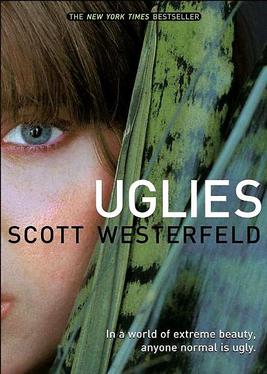
In Brave New World, conformity is stressed almost above anything else. Members of society fear being looked at as different, and will do most anything to be like everyone else. This reminds me of the Uglies series by Scott Westerfield. In this series, Uglies eagerly await the day they will undergo surgery to become a Pretty. However, what they don't know is that when they become pretty, their mind is also affected, causing them to think like everyone else. Tally, protagonist, finds friends who are part of a resistance to try to stop this surgery, or at the very least to not have to undergo it themselves. I believe that Bernard may become a part of a resistance, even if his reason for resisting is less because he wants to be an individual and more so because he feels like an outsider. Both novels are futuristic; Brave New World paints a picture of a world that has given in to conformity, and Uglies takes place on earth after an extremely destructive nuclear war.
In Brave New World, conformity is stressed almost above anything else. Members of society fear being looked at as different, and will do most anything to be like everyone else. This reminds me of the Uglies series by Scott Westerfield. In this series, Uglies eagerly await the day they will undergo surgery to become a Pretty. However, what they don't know is that when they become pretty, their mind is also affected, causing them to think like everyone else. Tally, protagonist, finds friends who are part of a resistance to try to stop this surgery, or at the very least to not have to undergo it themselves. I believe that Bernard may become a part of a resistance, even if his reason for resisting is less because he wants to be an individual and more so because he feels like an outsider. Both novels are futuristic; Brave New World paints a picture of a world that has given in to conformity, and Uglies takes place on earth after an extremely destructive nuclear war.
Sunday, July 3, 2011
APPARENTLY everyone is happy...
"They learn to associate topsy-turvydom with well-being; in fact, they're only truly happy when they're standing on their heads." (pg. 17)
 This quote, spoken by Mr. Foster, is a paradox that expands on the theme of everything in this alternate world being different than what we are taught. In general, topsy-turvydom and well-being are not associated with one another. However, the way that the embryos are conditions causes the above quote to make perfect sense. Somehow, it also apparently causes all people to be happy, because they are conditioned to be happy in their role. It also makes me wonder if people in this world are actually happy, or if they just think they are happy. I guess it begs the question; is there a difference? Hopefully the more I read the more I'll understand about that idea.
In the meantime, I'd like to comment on the way that children are conditioned to associate books with pain and terror in the beginning of chapter two. Again, there is only one word that I can personally use to describe it; disturbing. The electric shock of children, and the way that the Director seems to pleasure in the process combine to create an alarming picture of what the future could be like. When talking with a friend about this book, she questioned the sanity of the author, Huxley. What kind of mind would create and imagine such a world. I, however, believe that Huxley understood the insanity of his work, but wrote it as a warning. I don't believe that he was demented or deranged himself, but allowed himself to expand on the idea in order to get his point across.
In the meantime, I'd like to comment on the way that children are conditioned to associate books with pain and terror in the beginning of chapter two. Again, there is only one word that I can personally use to describe it; disturbing. The electric shock of children, and the way that the Director seems to pleasure in the process combine to create an alarming picture of what the future could be like. When talking with a friend about this book, she questioned the sanity of the author, Huxley. What kind of mind would create and imagine such a world. I, however, believe that Huxley understood the insanity of his work, but wrote it as a warning. I don't believe that he was demented or deranged himself, but allowed himself to expand on the idea in order to get his point across.
Saturday, July 2, 2011
Weird... or disturbing?
""Community, Identity, Stability." Grand words. "If we could bokanovskify indefinitly the whole problem would be solved."
Solved by standard Gammas, unvarying Deltas, uniform Epsilons. Millions of identical twins. The principle of mass production at last applied to biology." pg. 7
This book can originally be described with one word: weird. Everything about the world it creates is the opposite of what we are taught when we are young, that it is good to be an individual. The ever-insightful Dr. Suess captures the idea of individuality perfectly; "Be who you are and say what you feel, because those who mind don't matter, and those who matter don't mind."In Brave New World, however, individuality is not only frowned upon, but feared. The above quote makes me question: is individuality a problem that needs to "be solved"? The idea of mass production applied to biology is frightening, and with science progressing the way it is, it doesn't seem too unrealistic or far off. I believe that Huxley wrote this book with great foresight, so that scientists and lawmakers would consider every consequence that modern science can present to society. While a world where everyone is happy may not seem so terrible, a world without individuality seems more than disturbing.
Solved by standard Gammas, unvarying Deltas, uniform Epsilons. Millions of identical twins. The principle of mass production at last applied to biology." pg. 7
This book can originally be described with one word: weird. Everything about the world it creates is the opposite of what we are taught when we are young, that it is good to be an individual. The ever-insightful Dr. Suess captures the idea of individuality perfectly; "Be who you are and say what you feel, because those who mind don't matter, and those who matter don't mind."In Brave New World, however, individuality is not only frowned upon, but feared. The above quote makes me question: is individuality a problem that needs to "be solved"? The idea of mass production applied to biology is frightening, and with science progressing the way it is, it doesn't seem too unrealistic or far off. I believe that Huxley wrote this book with great foresight, so that scientists and lawmakers would consider every consequence that modern science can present to society. While a world where everyone is happy may not seem so terrible, a world without individuality seems more than disturbing.
Subscribe to:
Posts (Atom)