"I was a fascist when Mussolini was on top, and I am an anti-fascist now that he has been deposed. I was fanatically pro-German when the Germans were here to protect us against the Americans, and now that the Americans are here to protect us against the Germans I am fanatically pro-American. " pg. 245, Old Man
"You must never let them change your values. Ideals are good, but people are sometimes not so good. You must try to look up at the big picture." pg. 445
These two quotes show two sides to an arguement; is it best to give up your values for self-preservation, or should you always stick to your guns, no matter what the situation is? I think it is obvious what the answer should be; everyone should stick to their morals, backing them up no matter what. However, the selfish, sometimes more highly chosen side is to give up ideals in order to stay afloat. As awesome as it is to stand by morals, this book definately has things working out better for the Old Man who changes loyalties that for the Americans who stick by their ideals.
Nately says "Anything worth living for, is worth dying for"
The old man, however, says "Anything worth dying for, is worth living for."
They both have good points. Why die for something just because you care about it? I think the answer we want is that if we didn't care about things enough to die for them, where would we be? This brings to mind one of my favorite quotes from a source that I really don't remember right now:
"If you don't stand for something, you'll fall for anything"
Monday, April 30, 2012

Catch 22- Greed
"When I look up, I see people cashing in. I don't see heaven or saints or angels. I see people cashing in on every decent impulse and every human tragedy." pg. 445
Yossarian, at this point, has given up on his country. He's "been fighting all along to save my country. Now I'm going to fight a little to save myself" pg 446. Really, he's completely justified in giving up. He keeps fighting for his country, and they keep betraying him with rules, and with upping the amount of missions it takes to go home. The men, even the ones he cares for, are greedy. The greatest example of this is Milo; his work in the black market causes the death of numerous men, namely, Yossarian's roommate. However, many many men still support him, because they are greedy. In my opinion, Yossarian is right to finally think about himself.
Yossarian, at this point, has given up on his country. He's "been fighting all along to save my country. Now I'm going to fight a little to save myself" pg 446. Really, he's completely justified in giving up. He keeps fighting for his country, and they keep betraying him with rules, and with upping the amount of missions it takes to go home. The men, even the ones he cares for, are greedy. The greatest example of this is Milo; his work in the black market causes the death of numerous men, namely, Yossarian's roommate. However, many many men still support him, because they are greedy. In my opinion, Yossarian is right to finally think about himself.
Catch 22- Nothing to Live For
"You know, someone who was killed in the war, like Clevinger, Orr, Dobbs, Kid Sampson or McWatt.... They've got all my pals, haven't they?"
pg. 435
Little by little, one by one, Yossarian loses all of his friends to the horrors of war. At this point, I think he'd be justified to go crazy. What does he have to live for? Why should he go home, when he will never be able to get these men out of his mind? He's been living with people who contradict themselves all the time for years. If I were him, I wouldn't be able to tell what was sensical and what was not anymore; it all seems to be jumbled together with one another. The only thing that would honestly make it better would be for the war to end; not just for him to be sent home, but for the war to end altogether.
pg. 435
Little by little, one by one, Yossarian loses all of his friends to the horrors of war. At this point, I think he'd be justified to go crazy. What does he have to live for? Why should he go home, when he will never be able to get these men out of his mind? He's been living with people who contradict themselves all the time for years. If I were him, I wouldn't be able to tell what was sensical and what was not anymore; it all seems to be jumbled together with one another. The only thing that would honestly make it better would be for the war to end; not just for him to be sent home, but for the war to end altogether.
Catch 22- Have a Little Respect
"He loved Nurse Duckett's serene, flattered response,t eh sense of attachment to him she displayed proudly." pg. 335
Are you kidding me? Are you kidding me!!? I know this book is completely backwards, completely contradictory, and completely nonsensical. But does this woman have no self respect??!! Did she forget about this little instance?
""She wiggled free finally and retreated frantically into the aisle with an ashen, trembling face. She backed away too far, and Dunbar, who had watched from the beginning, sprang forward on his bed without warning and flung both arms around her bosom from behind." pg. 293
The two men basically tried to rape her, and now here she is, making love to Yosarrian all the time? I don't understand, but I could say that about many things about this book. The women and men all sleep with one another like it is nothing; yet, like in any real "relationship", there is still a jealousy factor, despite the apparent free-heartedness of the situation. It reminds me of "Friends With Benefits" and "No Strings Attached". It just doesn't work, ladies and gentlemen. Have some self-respect.
Are you kidding me? Are you kidding me!!? I know this book is completely backwards, completely contradictory, and completely nonsensical. But does this woman have no self respect??!! Did she forget about this little instance?
""She wiggled free finally and retreated frantically into the aisle with an ashen, trembling face. She backed away too far, and Dunbar, who had watched from the beginning, sprang forward on his bed without warning and flung both arms around her bosom from behind." pg. 293
The two men basically tried to rape her, and now here she is, making love to Yosarrian all the time? I don't understand, but I could say that about many things about this book. The women and men all sleep with one another like it is nothing; yet, like in any real "relationship", there is still a jealousy factor, despite the apparent free-heartedness of the situation. It reminds me of "Friends With Benefits" and "No Strings Attached". It just doesn't work, ladies and gentlemen. Have some self-respect.
Catch 22- Religion Theme
"By the lifelong trust he had placed in the wisdom and justice of the immortal, omnipotent, omniscienct, humane, universal, anthropomorphic, English-speaking, Anglo-Saxon, pro-American God, which had begun to waver."
pg. 285
There are so many things that can be said about this quote. First off, it contradicts itself; the God in the Chaplain's mind is universal, Anglo-Saxon, and pro-American. It seems that by being the latter two things, the God in his mind is no longer universal. I think the author is pointing out something that many humans think; God is universal, but the God they picture is on their side, always. Even if that somehow means he is against someone else. However, I think it is logical for people to picture God as one of their own race, because then we identify with him better.
Secondly, this quote captures a reoccuring theme in Catch 22; God isn't present in war. There are many quotes to back this theme;
"And don't tell me God works in mysterious ways... there's nothing so mysterious about it. He's not working at all."
"Tell Him it ain't right for people to die when they're young." pg. 185
Whether the author actually believes that God isn't present in war (or at all, even) or whether he is pointing out that many soldiers lose their faith because of war, I'm not sure. Really, I think this theme just plays into the larger one, that war is stupid.
pg. 285
There are so many things that can be said about this quote. First off, it contradicts itself; the God in the Chaplain's mind is universal, Anglo-Saxon, and pro-American. It seems that by being the latter two things, the God in his mind is no longer universal. I think the author is pointing out something that many humans think; God is universal, but the God they picture is on their side, always. Even if that somehow means he is against someone else. However, I think it is logical for people to picture God as one of their own race, because then we identify with him better.
Secondly, this quote captures a reoccuring theme in Catch 22; God isn't present in war. There are many quotes to back this theme;
"And don't tell me God works in mysterious ways... there's nothing so mysterious about it. He's not working at all."
"Tell Him it ain't right for people to die when they're young." pg. 185
Whether the author actually believes that God isn't present in war (or at all, even) or whether he is pointing out that many soldiers lose their faith because of war, I'm not sure. Really, I think this theme just plays into the larger one, that war is stupid.
Monday, April 23, 2012
Catch 22- If I Die Young
"Tell Him it ain't right for people to die when they're young. I mean it. Tell Him if they got to die at all, they got to die when they're old. I want you to tell Him that. I don't think He knows it ain't right, because He's supposed to be good and it's been going on for a long, long time."
pg. 186
Hmm. Simple, and true. The father's words to Yossarian (who he is halfway convinced is his dying son?) are part of a mystery that none of us will ever understand. I think it is also the author speaking out against the war in some way. He is speaking out against the death of young men. Yossarian cries because even though he is generally healthy, he thinks he will die as well someday soon, due to the war. It is so pointless, his work in the army. Obviously, he doesn't feel patriotism or duty. He feels scared, and he feels targeted. The only way for his sadness to end is for him to go home, if the silly major would stop extending his duty.
pg. 186
Hmm. Simple, and true. The father's words to Yossarian (who he is halfway convinced is his dying son?) are part of a mystery that none of us will ever understand. I think it is also the author speaking out against the war in some way. He is speaking out against the death of young men. Yossarian cries because even though he is generally healthy, he thinks he will die as well someday soon, due to the war. It is so pointless, his work in the army. Obviously, he doesn't feel patriotism or duty. He feels scared, and he feels targeted. The only way for his sadness to end is for him to go home, if the silly major would stop extending his duty.
Catch 22- Time, Life, and Death
"You're inches away from death every time you go on a misssion. How much older can you be at your age...."
"Maybe a long life does have to be filled with many unpleasant cocnditions if it's to seem long. But in that event, who wants one?"
"I do," Dunbar told him.
"Why?" clevinger asked.
"What else is there?"
pg. 39
The top quote on this page was part of a paragraph that kind of blew my mind. As in, having just finished Inception kind of mind-blowing. Dunbar makes an excellent point- we are oldest when we are nearest danger. What if we measured life in terms of how close we were to dying. If I were to know I was going to die in the next couple hours, I would be one of the oldest people on earth. However, being close to death doesn't magically give you wisdom, or experience, or anything else that comes with old age, so it's really not the same.
The later quote from this page reminded me immensely of one of my favorite book quotes ever, from "A Princess Bride". It says "life isn't fair; it's just fairer than death, that's all." It's so true. Life may not be awesome. There may be bad things. But the bad things make the good all the better, and really, there's not much else to do, except die. Since the idea of death freaks most of us out quite a bit, I think it's safe to say that continuing living is the best choice.
"Maybe a long life does have to be filled with many unpleasant cocnditions if it's to seem long. But in that event, who wants one?"
"I do," Dunbar told him.
"Why?" clevinger asked.
"What else is there?"
pg. 39
The top quote on this page was part of a paragraph that kind of blew my mind. As in, having just finished Inception kind of mind-blowing. Dunbar makes an excellent point- we are oldest when we are nearest danger. What if we measured life in terms of how close we were to dying. If I were to know I was going to die in the next couple hours, I would be one of the oldest people on earth. However, being close to death doesn't magically give you wisdom, or experience, or anything else that comes with old age, so it's really not the same.
The later quote from this page reminded me immensely of one of my favorite book quotes ever, from "A Princess Bride". It says "life isn't fair; it's just fairer than death, that's all." It's so true. Life may not be awesome. There may be bad things. But the bad things make the good all the better, and really, there's not much else to do, except die. Since the idea of death freaks most of us out quite a bit, I think it's safe to say that continuing living is the best choice.
Catch 22- Because I said so
"Colonel Cathcart is our commanding officer and we must obey him. Why don't you fly the foyr more missions and see what happens?"
pg. 102
This situation in which the commander continues to extend the number of missions required to be discharged is obviously corrupt. It reminds me of childhood- when you invented a game, it meant you could change the rules anytime you wanted, if the game wasn't going your way. However, there was normally someone who would call this unfair, who would call the gamemaker out on their unfair scheme to win the game. I keep waiting for that soldier in this book- the one who is ready to call out the commanders for being unfair. In this passage,Yossarian starts to do this. He is adamant about not wanting to continue performing missions, but Major Major shuts down his requests to leave. Perhaps, as Catch-22 states, Yossarian is sane. Despite all his ramblings about how he believes the war is personally against him, he might make the most sense of all.
pg. 102
This situation in which the commander continues to extend the number of missions required to be discharged is obviously corrupt. It reminds me of childhood- when you invented a game, it meant you could change the rules anytime you wanted, if the game wasn't going your way. However, there was normally someone who would call this unfair, who would call the gamemaker out on their unfair scheme to win the game. I keep waiting for that soldier in this book- the one who is ready to call out the commanders for being unfair. In this passage,Yossarian starts to do this. He is adamant about not wanting to continue performing missions, but Major Major shuts down his requests to leave. Perhaps, as Catch-22 states, Yossarian is sane. Despite all his ramblings about how he believes the war is personally against him, he might make the most sense of all.
Catch 22- The Allusion
""That's some catch, that Catch-22," he observed.
"It's the best there is," Doc Daneeka agreed.
Yossarian saw it clearly in all its spinning reasonableness."
pg. 46
Now, I understand much more what people mean when they allude to a "Catch-22" situation. It is not just a lose-lose situation; it is something thats solution causes a problem in itself. The rule seems to be a foolproof way for the commanders to trap the soldiers in the line of duty. However, it just doesn't make any sense. Nothing in this book seems to make sense, in fact. Why does Yossarian simply listen to everything his commanders say, without question? I suppose the book does say that because his commander had never lied to him before, he trusts him. However, this isn't really a lie. The rule is a real one- but the reasoning behind it is very flawed, and the flyers should realize this and rebel!
"It's the best there is," Doc Daneeka agreed.
Yossarian saw it clearly in all its spinning reasonableness."
pg. 46
Now, I understand much more what people mean when they allude to a "Catch-22" situation. It is not just a lose-lose situation; it is something thats solution causes a problem in itself. The rule seems to be a foolproof way for the commanders to trap the soldiers in the line of duty. However, it just doesn't make any sense. Nothing in this book seems to make sense, in fact. Why does Yossarian simply listen to everything his commanders say, without question? I suppose the book does say that because his commander had never lied to him before, he trusts him. However, this isn't really a lie. The rule is a real one- but the reasoning behind it is very flawed, and the flyers should realize this and rebel!
Wednesday, April 11, 2012
She loves me!
"I confess to you, my friend, that I love you, and that in my airy dreams of futurity you have been my constant friend and companion. But it is your happiness I desire as well as my own, when I declare to you that our marriage would render my eternally miserable, unless it were the dictate of your own free choice."
pg. 138
Elizabeth seems to be such a kind, compassionate person throughout this book. She may be slightly one dimensional in this aspect, but it doesn't stop the audience from connecting with her any more. It is no wonder Victor's father considers her his "more than daughter". She truly loves Victor, and is willing to give up her own happiness for his. I don't know if Victor could say the same. Yes, he says that if he had known what the monster was planning, he would have never consented to such a marriage. However, even if he himself expected to die on the wedding night, I believe it was selfish to still try to marry her. Obviously, the death of a husband would hurt Elizabeth more than the death of a close friend/brother. Why would he promise to tell Elizabeth a secret, yet plan to die and never actually reveal the truth? Obviously she would wonder about the truth for her entire life, wondering what the secret was that her dead husband was supposed to tell her. I think that Victor wasn't necessarily meanhearted at any point in the book, but his illogical thinking caused him to make decisions that resulted in the harm of his family and friends.
pg. 138
Elizabeth seems to be such a kind, compassionate person throughout this book. She may be slightly one dimensional in this aspect, but it doesn't stop the audience from connecting with her any more. It is no wonder Victor's father considers her his "more than daughter". She truly loves Victor, and is willing to give up her own happiness for his. I don't know if Victor could say the same. Yes, he says that if he had known what the monster was planning, he would have never consented to such a marriage. However, even if he himself expected to die on the wedding night, I believe it was selfish to still try to marry her. Obviously, the death of a husband would hurt Elizabeth more than the death of a close friend/brother. Why would he promise to tell Elizabeth a secret, yet plan to die and never actually reveal the truth? Obviously she would wonder about the truth for her entire life, wondering what the secret was that her dead husband was supposed to tell her. I think that Victor wasn't necessarily meanhearted at any point in the book, but his illogical thinking caused him to make decisions that resulted in the harm of his family and friends.
What a Selfish Man
"Are you so easily turned from you design? Did you not call this a glorious expedition?"
pg 159
I'm noticing something about Victor in this scene- he's becoming quite selfish. Earlier in the story, he is telling Walton that he doesn't want him to make too many scientific discoveries, advising him to proceed with caution. He warns Walton of the danger of science. But now, when his own interests are on the line, Victor is in complete support of the expedition. He wants them to continue, and even resorts to making the seamen feel like cowards in order to convince them to stay with their mission. The part that I find most silly in this is that Victor is near the edge of death at this point- he cannot possibly think he will have the strength to kill the monster. Honestly, the fact that he is on the verge of death may be why he is saying these selfish words- he may be out of his mind. It wouldn't be the first time that he has blabbered nonsensically because of his grief.
pg 159
I'm noticing something about Victor in this scene- he's becoming quite selfish. Earlier in the story, he is telling Walton that he doesn't want him to make too many scientific discoveries, advising him to proceed with caution. He warns Walton of the danger of science. But now, when his own interests are on the line, Victor is in complete support of the expedition. He wants them to continue, and even resorts to making the seamen feel like cowards in order to convince them to stay with their mission. The part that I find most silly in this is that Victor is near the edge of death at this point- he cannot possibly think he will have the strength to kill the monster. Honestly, the fact that he is on the verge of death may be why he is saying these selfish words- he may be out of his mind. It wouldn't be the first time that he has blabbered nonsensically because of his grief.
Punishable by Law
"He heard my story with that half kind of belief that is given to a tale of spirits and supernatural events; but when he was called upon to act officially in consequence, the whole tide of his incredulity returned."
pg. 148
Everyone is willing to support a cause, until then are called to actually take action for the cause. In the recent world, there are millions out there who are ready to "STOP KONY". However, when individuals are asked to make a difference, the number dwindles down to thousands. This Shelley points out in the book, a fundamental part of huma nature- we are all fine with supporting a good cause, until it requires us to actually do something. The officer Frankenstein "wants to" support Frankenstein in finding the creature, but as soon as Victor asks for real help, the officer makes excuses for why he cannot help. He also shows returned doubt as to whether the story is true or not. Either way, it causes Victor to have to search on his own. Yes, the officer's reasoning may not be all wrong, but Victor's story is true, and the creature, because of his crimes, should be punished by the law.
pg. 148
Everyone is willing to support a cause, until then are called to actually take action for the cause. In the recent world, there are millions out there who are ready to "STOP KONY". However, when individuals are asked to make a difference, the number dwindles down to thousands. This Shelley points out in the book, a fundamental part of huma nature- we are all fine with supporting a good cause, until it requires us to actually do something. The officer Frankenstein "wants to" support Frankenstein in finding the creature, but as soon as Victor asks for real help, the officer makes excuses for why he cannot help. He also shows returned doubt as to whether the story is true or not. Either way, it causes Victor to have to search on his own. Yes, the officer's reasoning may not be all wrong, but Victor's story is true, and the creature, because of his crimes, should be punished by the law.
A Man of Conscience
"I was now about to form another being, of whose dispositions I was alike ignorant; she might become ten thousand times more malignant than her mate, and delight, for its own sake, in murder and wretchedness."
pg. 120
Did Victor make the right decision in deciding not to make a female creature? It's a hard call to make, because no one truly knows what the female creature would be like. From what I know of the original creature, though, the being is not inherently evil, despite what Victor believes. Therefore, I believe she may have taken to Victor quite well, and they could have gone off together, making each other content, living in the rainforest, with everyone living happily ever after. Like a fairy tale. The end. However, I don't think I can blame Victor for not making the creature. His worries were valid- that the female would be even worse, that they would breed, that the female would not like the male, that the male would hate himself more because of the female. Who knows, really? Victor did what he thought was best for humans, and that's really all that matters.
pg. 120
Did Victor make the right decision in deciding not to make a female creature? It's a hard call to make, because no one truly knows what the female creature would be like. From what I know of the original creature, though, the being is not inherently evil, despite what Victor believes. Therefore, I believe she may have taken to Victor quite well, and they could have gone off together, making each other content, living in the rainforest, with everyone living happily ever after. Like a fairy tale. The end. However, I don't think I can blame Victor for not making the creature. His worries were valid- that the female would be even worse, that they would breed, that the female would not like the male, that the male would hate himself more because of the female. Who knows, really? Victor did what he thought was best for humans, and that's really all that matters.
Feel the Love
"Many time I considered Satan as the fitter emblem of my condition; for often, like him, when I viewed the bliss of my protectors, the bitter gall of envy rose within me."
pg. 92
The creature has now learned to sympathize with emotions- and though he is the first of his species, like Adam, he sympathizes more with the devil. The media's interpretation of Frankenstein would cause people to believe that the creature sympathizes with the devil because he is evil; this, however, is not the case. The creature can feel the same as the devil because he, too is an outcast. He, too, feels envy for the joy that others get to feel. If the creature had been loved and accepted from the moment he was created, what could he have instead turned into? He may have been kind and generous. Perhaps, his speed and strength could have done good in the world. Because he learns to speak, and feel, and read in such a short time, I think he has a superior brain that the average human, as well. If only Victor had treated the creature with respect, he may have had the perfect assistant, who could have done work to save the world, not make it more gruesome. Perhaps the devil could have been the same way? Had he only been included, perhaps he would have not been so awful, either? That may be stretching things. But I at least believe that the creature could have been different had he felt the love.
pg. 92
The creature has now learned to sympathize with emotions- and though he is the first of his species, like Adam, he sympathizes more with the devil. The media's interpretation of Frankenstein would cause people to believe that the creature sympathizes with the devil because he is evil; this, however, is not the case. The creature can feel the same as the devil because he, too is an outcast. He, too, feels envy for the joy that others get to feel. If the creature had been loved and accepted from the moment he was created, what could he have instead turned into? He may have been kind and generous. Perhaps, his speed and strength could have done good in the world. Because he learns to speak, and feel, and read in such a short time, I think he has a superior brain that the average human, as well. If only Victor had treated the creature with respect, he may have had the perfect assistant, who could have done work to save the world, not make it more gruesome. Perhaps the devil could have been the same way? Had he only been included, perhaps he would have not been so awful, either? That may be stretching things. But I at least believe that the creature could have been different had he felt the love.
Tuesday, April 3, 2012
Whodunit?
"I did confess; but I confessed a lie. I confessed, that I might obtain absolution; but now that falsehood lies heavier at my heart than all my other sins."
Frankenstein, pg. 58
Honestly, I'm not completely convinced that Justine is innocent. Victor never questions it, and she seems like a very nice girl. However, her story doesn't really fit, and the evidence is stacked against her. The biggest piece, of course, is the picture that was supposed to be around William's neck, that was found on Justine. But her confession is the piece that just doesn't make sense; what logical person would confess to a crime that they didn't do. I guess, if you're thinking that Justine is innocent, the answer is that she wasn't thinking logically. Therefore, if we assume that Justine is innocent, we are left with another unanswered question; what caused her to become so confused? Hopefully, now that we are hearing the creature's story, we will be able to find out. I'm sure he had at least SOMETHING to do with it!
Frankenstein, pg. 58
Honestly, I'm not completely convinced that Justine is innocent. Victor never questions it, and she seems like a very nice girl. However, her story doesn't really fit, and the evidence is stacked against her. The biggest piece, of course, is the picture that was supposed to be around William's neck, that was found on Justine. But her confession is the piece that just doesn't make sense; what logical person would confess to a crime that they didn't do. I guess, if you're thinking that Justine is innocent, the answer is that she wasn't thinking logically. Therefore, if we assume that Justine is innocent, we are left with another unanswered question; what caused her to become so confused? Hopefully, now that we are hearing the creature's story, we will be able to find out. I'm sure he had at least SOMETHING to do with it!
Ooppps!
"I had desired it with an ardour that far exceeded moderation; but now that I had finished, the beauty of the dream vanished, and breathless horror and disgust filled my heart."
Frankenstein, pg. 35
Have you ever thought something would be a really good idea, and worked so hard to make it happen, and then as soon as it does, realized it was probably the stupidest thing you have ever done, or that you really just don't want it that badly anymore? Yeah, me neither. Just kidding- I think we've all done that a time or two. Our mistakes probably don't have as terrible of consequences as Victor's, though. For so long, he had focused on one thing, thinking it was right and beautiful. However, as soon as he accomplished it, he knew it was a mistake. It was definately a turning point in the story for Victor. I don't really understand what caused him to believe that so vehemently, though. Yes, the creature was ugly. However, I don't think that means he is inherently bad, or should be feared, like how Victor believes. Give the guy a chance, already!
Frankenstein, pg. 35
Have you ever thought something would be a really good idea, and worked so hard to make it happen, and then as soon as it does, realized it was probably the stupidest thing you have ever done, or that you really just don't want it that badly anymore? Yeah, me neither. Just kidding- I think we've all done that a time or two. Our mistakes probably don't have as terrible of consequences as Victor's, though. For so long, he had focused on one thing, thinking it was right and beautiful. However, as soon as he accomplished it, he knew it was a mistake. It was definately a turning point in the story for Victor. I don't really understand what caused him to believe that so vehemently, though. Yes, the creature was ugly. However, I don't think that means he is inherently bad, or should be feared, like how Victor believes. Give the guy a chance, already!
Give a Guy a Break!
"The gentle manners and beauty of the cottagers greatly endeared them to me: when they were unhappy, I felt depressed; when they rejoiced, I sympathised in their joys."
Frankenstein, pg. 79
This particular passage reveals the good and humanity that is obviously present in the creature, at least at the beginning of his life. He made a comment earlier that leads me to believe that he may not still be truly good, but that not being good is because of what he has been through. It is obvious, however, that when he was created, he was sweet and kind and thoughtful. He related to humans, and cared about them. He didn't want to make them unhappy, and went out of his way to avoid doing so. I believe that the family in the cottage could be compared to parents of a child- the child loves them without knowing them, and learns everything about early life from the parents. All of these emotions that the "creature" expresses makes me want to give the creature a name. He acts like a human, so he should be given the privilege of a human name. I think a name would help him find his identity, and not make him feel like such an outsider. That's just my thought though!
Frankenstein, pg. 79
This particular passage reveals the good and humanity that is obviously present in the creature, at least at the beginning of his life. He made a comment earlier that leads me to believe that he may not still be truly good, but that not being good is because of what he has been through. It is obvious, however, that when he was created, he was sweet and kind and thoughtful. He related to humans, and cared about them. He didn't want to make them unhappy, and went out of his way to avoid doing so. I believe that the family in the cottage could be compared to parents of a child- the child loves them without knowing them, and learns everything about early life from the parents. All of these emotions that the "creature" expresses makes me want to give the creature a name. He acts like a human, so he should be given the privilege of a human name. I think a name would help him find his identity, and not make him feel like such an outsider. That's just my thought though!
Just Hear Me Out
"Listen to my tale; when you have heard that, abandon or commiserate me, as you shall judge that I deserve. But hear me."
Frankenstein, pg. 69
Here comes yet another frame story! At this point, we have three. Robert is telling the story that Victor tells that the creature is telling. I kind of hope we get a fourth teller, it could be interesting. It makes you wonder, have any of the facts been skewed? It's like a game of telephone. If this were real life, I would assume the facts have been skewed. However, I don't think Mary Shelley had any desire for her readers to believe the stories weren't reliable, so I'll take all the facts as truth. It is an interesting way of telling the story, of revealing how different characters talk and think. The creative way that Shelley gets characters to explain things reminds me of the creative way that the makers of the Hunger Games movie got Katniss's thoughts spoken. Things that were explained in Katniss' mind in the book were explained by the hosts of the game on the TV. While the two situations aren't similiar at first glance, they are both an example of creative ways of revealing information.
Frankenstein, pg. 69
Here comes yet another frame story! At this point, we have three. Robert is telling the story that Victor tells that the creature is telling. I kind of hope we get a fourth teller, it could be interesting. It makes you wonder, have any of the facts been skewed? It's like a game of telephone. If this were real life, I would assume the facts have been skewed. However, I don't think Mary Shelley had any desire for her readers to believe the stories weren't reliable, so I'll take all the facts as truth. It is an interesting way of telling the story, of revealing how different characters talk and think. The creative way that Shelley gets characters to explain things reminds me of the creative way that the makers of the Hunger Games movie got Katniss's thoughts spoken. Things that were explained in Katniss' mind in the book were explained by the hosts of the game on the TV. While the two situations aren't similiar at first glance, they are both an example of creative ways of revealing information.
Foreshadowing What We All Think We Know
"You seek for knowledge and wisdom, as I once did; and I ardently hope that teh gratification of your wishes may not be a serpent to sting you, as mine has been. I do not know that the relation of my disasters will be useful to you; yet, whien I reflect atht you are pursuing the same course, exposing yourself to the same dangers which have rendered me what I am, I imagine that you may deduce an apt moral from my tale."
Frankenstein, pg. 13
This passage is an excellent example of foreshadowing. Combined with the quick view of the "creature" earlier in the story, we all know that something is up. Although most of us AP Litters have preconceived notions of what happens in the story of Frankenstein, we can also start to discover what is going to happen based on what Victor says in this passage. We know that whatever he does, he regrets. We know that it has gone horribly wrong, and that it was a science experiment that caused his anguish. Victor also feels a connection with Robert because of their common love of discovery. When Victor almost refuses to enter the boat before he knows where it is going, we can also infer that he doesn't have a desire to live. It definately causes the reader to be curious about what could cause him so much pain and regret.
Frankenstein, pg. 13
This passage is an excellent example of foreshadowing. Combined with the quick view of the "creature" earlier in the story, we all know that something is up. Although most of us AP Litters have preconceived notions of what happens in the story of Frankenstein, we can also start to discover what is going to happen based on what Victor says in this passage. We know that whatever he does, he regrets. We know that it has gone horribly wrong, and that it was a science experiment that caused his anguish. Victor also feels a connection with Robert because of their common love of discovery. When Victor almost refuses to enter the boat before he knows where it is going, we can also infer that he doesn't have a desire to live. It definately causes the reader to be curious about what could cause him so much pain and regret.
Tuesday, March 6, 2012
Through Thick and Thin
"Child, when do you think is te time to love somebody the most? When they done good and made things easy for everybody? Well then, you ain't through learning- because that ain't the time at all. It's when he's at his lowest and can't belive in hisself 'cause the world done whipped him so! When you starts measuring somebody, measure him right, child, measure him right. Make sure you dont taken into account what hills and valleys he come through before he got to wherever he is."
A Raisin in the Sun, pg. 145
This moment was really Mama's breakout- she had always had a steady control over her family, but never like this. At this moment, Mama taught her daughter an important life lesson, about love and family. It made me sympathize much more with Travis. I had been so frustrated with him- when he originally didn't have the money, he had sat around like a lazy drunkard. Then, when he lost the money again, he went off the deep end, shouting at his own mother and wife. Mama's little rant her reminded me that he had been through a lot- his dreams had been crushed, and he wasn't sure how to proceed with his life. Hopefully Beneatha sympathized too, which she should have especially done after his second encounter with Lindner. Mama's speech here also reminded me of the song "Find Out Who Your Friends Are"
A Raisin in the Sun, pg. 145
This moment was really Mama's breakout- she had always had a steady control over her family, but never like this. At this moment, Mama taught her daughter an important life lesson, about love and family. It made me sympathize much more with Travis. I had been so frustrated with him- when he originally didn't have the money, he had sat around like a lazy drunkard. Then, when he lost the money again, he went off the deep end, shouting at his own mother and wife. Mama's little rant her reminded me that he had been through a lot- his dreams had been crushed, and he wasn't sure how to proceed with his life. Hopefully Beneatha sympathized too, which she should have especially done after his second encounter with Lindner. Mama's speech here also reminded me of the song "Find Out Who Your Friends Are"
A line or a circle?
"It isn't a circle- it is simply a long line- as in geometry, you know, one that reaches into infinity. And because we cannot see the end- we also cannot see how it changes. And it is very odd but those who see the changes- who dream, who will not give up- are called idealists... and those who see only the circle, we call them the "realists"!"
A Raisin in the Sun, pg. 134
I find it very odd that Beneatha, the girl full of ideas and dreams, is the one who believes that life is just a circle. She wants to become a doctor, even though she is a poor African-American woman. That seems like a pretty big dream to me. However, when talking to Asagai, she is close-minded and negative. I think that her time in the small house with her family, despite the recent upgrade in their circumstances, has taken away some of her dreams. She, I suppose, is the "realist". Walter, however, is the "idealist". Although his plan doesn't work out as he hopes it will, he sees the world for what it truly could be. He sees the positive, the change that could happen, and he wants to make it happen. He sees the world as a line, not a circle.
A Raisin in the Sun, pg. 134
I find it very odd that Beneatha, the girl full of ideas and dreams, is the one who believes that life is just a circle. She wants to become a doctor, even though she is a poor African-American woman. That seems like a pretty big dream to me. However, when talking to Asagai, she is close-minded and negative. I think that her time in the small house with her family, despite the recent upgrade in their circumstances, has taken away some of her dreams. She, I suppose, is the "realist". Walter, however, is the "idealist". Although his plan doesn't work out as he hopes it will, he sees the world for what it truly could be. He sees the positive, the change that could happen, and he wants to make it happen. He sees the world as a line, not a circle.
Pride
"He talked Brotherhood. He said everybody ought to learn how to sit down and hate each other with good Christian fellowship."
A Raisin in the Sun, pg. 121
On of the main themes and motivations of the actions of the characters in A Raisin in the Sun is pride and its profound effects on people. Every member of the family seems to have pride. In the end, if motivates Walter to not sell the house to Lindner, which is shown in how he interprets Lindner's visit above. It causes Beneatha to want to be a doctor, and to be against assimilation. It is the driving force behind Mama not wanting the n word used in her house. The entire family is proud, too proud to be happy with the life they have been given. Although it doesn't do any good to have no pride, I think the pride of the family members sometimes keeps them from being happy, because they won't do things that could make them happy because they think it is too lowly. In other times, like when Walter stands up to Lindner, pride creates a happy ending. Finally, a happy ending AND a well-written story. They do exist in AP Lit!
A Raisin in the Sun, pg. 121
On of the main themes and motivations of the actions of the characters in A Raisin in the Sun is pride and its profound effects on people. Every member of the family seems to have pride. In the end, if motivates Walter to not sell the house to Lindner, which is shown in how he interprets Lindner's visit above. It causes Beneatha to want to be a doctor, and to be against assimilation. It is the driving force behind Mama not wanting the n word used in her house. The entire family is proud, too proud to be happy with the life they have been given. Although it doesn't do any good to have no pride, I think the pride of the family members sometimes keeps them from being happy, because they won't do things that could make them happy because they think it is too lowly. In other times, like when Walter stands up to Lindner, pride creates a happy ending. Finally, a happy ending AND a well-written story. They do exist in AP Lit!
Monday, February 27, 2012
Not Alone
"People are not so dreadful when ou know them. That's what you have to remember! And everybody has problems, not just you, but practivally everybody has got some problems. You think of yourself as havinghte only problems, as being the only one who is disappointed. But just look around you and you will see lots of people as disappointed as you are."
The Glass Menagerie, pg. 1277
"The different people are not like toher people, but being different is nothing to be ashamed of. Because other people are not such wonderfull people. They're one hundred times one thousand. You're one times one!"
pg. 1283
I could find two themes throughout this play- one was very positive, and the other mainly negative. The first, represented by the quote on top, is negative. It basically says that there are many unhappy people in this world- that it is inevitable, that being unhappy is not a unique quality. This is sometimes true, although I like to think that there are a lot of happy people in this world. It reminds me of the song "Just Wait" by Blues Traveler:
"If ever you are feeling like you're tired And all your uphill struggles leave you headed downhill If you realize your wildest dreams can hurt you And your appetite for pain has drinken it's fill
I ask of you a very simple question Did you think for one minute that you are alone? And is your suffering a privilege you share only? Or did you think that everybody else feels completely at home?"
The song goes on to explain that things will get better, and that sharing troubles with others can make it better. Jim lightly touches on this, how Laura is not alone, which is comforting.
The second theme is better- it says that originality is prized. Jim points out that Laura is different, in a good way. In life we often can tire of the same things over and over again. Therefore, things that are different are good. Being original, even if it is a little weird, is good. I love this quote, and the theme that it conveys, because I consider myself a little different. But, as Jim says, it's something to be proud of!
The Glass Menagerie, pg. 1277
"The different people are not like toher people, but being different is nothing to be ashamed of. Because other people are not such wonderfull people. They're one hundred times one thousand. You're one times one!"
pg. 1283
I could find two themes throughout this play- one was very positive, and the other mainly negative. The first, represented by the quote on top, is negative. It basically says that there are many unhappy people in this world- that it is inevitable, that being unhappy is not a unique quality. This is sometimes true, although I like to think that there are a lot of happy people in this world. It reminds me of the song "Just Wait" by Blues Traveler:
"If ever you are feeling like you're tired And all your uphill struggles leave you headed downhill If you realize your wildest dreams can hurt you And your appetite for pain has drinken it's fill
I ask of you a very simple question Did you think for one minute that you are alone? And is your suffering a privilege you share only? Or did you think that everybody else feels completely at home?"
The song goes on to explain that things will get better, and that sharing troubles with others can make it better. Jim lightly touches on this, how Laura is not alone, which is comforting.
The second theme is better- it says that originality is prized. Jim points out that Laura is different, in a good way. In life we often can tire of the same things over and over again. Therefore, things that are different are good. Being original, even if it is a little weird, is good. I love this quote, and the theme that it conveys, because I consider myself a little different. But, as Jim says, it's something to be proud of!
Lost to the Audience
"The coat is one of AMANDA'S, inaccurately madeover, the sleeves too short for LAURA."
The Glass Menagerie, pg. 1250
Obviously, stage directions in this play seem to be of great importance. Most of the explanations that Tennessee Williams provided seemed important to the reader. However, it seems that many of them, such as the one above, would be lost when the play was actually performed onstage. How in the world is the audience supposed to know that the coat was Amanda's? Or that Laura's new dress was designed by memory? I don't understand how those things would be conveyed, unless it was actually spoken aloud. It was refreshing, however, to finally read something in which the symbols were actually explained, instead of having to guess at them (although I have been getting better!). More importantly than the signals being lost, to me, is the question of the importance of many of the details that Williams provides. In some ways, I thought he was just being overbearing to the performers. Granted, the director of this play can make changes that fit his or her fancy. I simply found it annoying that Williams didn't leave a lot of room for creativity, when many of the things he demanded didn't seem overly important. Oh, well!
The Glass Menagerie, pg. 1250
Obviously, stage directions in this play seem to be of great importance. Most of the explanations that Tennessee Williams provided seemed important to the reader. However, it seems that many of them, such as the one above, would be lost when the play was actually performed onstage. How in the world is the audience supposed to know that the coat was Amanda's? Or that Laura's new dress was designed by memory? I don't understand how those things would be conveyed, unless it was actually spoken aloud. It was refreshing, however, to finally read something in which the symbols were actually explained, instead of having to guess at them (although I have been getting better!). More importantly than the signals being lost, to me, is the question of the importance of many of the details that Williams provides. In some ways, I thought he was just being overbearing to the performers. Granted, the director of this play can make changes that fit his or her fancy. I simply found it annoying that Williams didn't leave a lot of room for creativity, when many of the things he demanded didn't seem overly important. Oh, well!
A Selfish Mother
"This is the dress in which I led teh cotillion. Won the cakewalk twice at Sunset Hill. wore one spring to the Governor's ball in Jackson! See how I sashayed around the ballroom, Laura?"
The Glass Menagerie, pg. 1265
Despite all of her accusations that Tom is a selfish son, I think that Amanda is the most selfish character in this play. This is saying something, considering the size of Jim's ego, and Tom's actions at the end. However, Amanda wins out because even in the most dire circumstances, she has to put the attention on herself. Multiple times in this short play, she goes off, reminding her children how popular and sought-after she was when she was growing up. When Jim comes over, while she is supposed to be setting up Jim and Laura, Amanda dresses her best, flirting with her daughter's caller. Immediately, her style of talking changes, using a southern accent with phrases like " "It takes a while fo' us to adjust ou'selves". Her dress and style of talking both put the spotlight on herself, rather than her daughter. Even when she does put the spotlight on her daughter, it is indirectly to benefit herself, as a smart match for her daughter will help provide for Amanda. Selfish is the first word I would use to characterize Amanda.
The Glass Menagerie, pg. 1265
Despite all of her accusations that Tom is a selfish son, I think that Amanda is the most selfish character in this play. This is saying something, considering the size of Jim's ego, and Tom's actions at the end. However, Amanda wins out because even in the most dire circumstances, she has to put the attention on herself. Multiple times in this short play, she goes off, reminding her children how popular and sought-after she was when she was growing up. When Jim comes over, while she is supposed to be setting up Jim and Laura, Amanda dresses her best, flirting with her daughter's caller. Immediately, her style of talking changes, using a southern accent with phrases like " "It takes a while fo' us to adjust ou'selves". Her dress and style of talking both put the spotlight on herself, rather than her daughter. Even when she does put the spotlight on her daughter, it is indirectly to benefit herself, as a smart match for her daughter will help provide for Amanda. Selfish is the first word I would use to characterize Amanda.
Thursday, February 16, 2012
All the World's a Stage
"All the world's a stage,
And all the men and women merely players:
They have their exits and their entrances;
And one man in his time plays many parts"
As You Like It II.vii. pg 32
This metaphor compares life to a play, and humans to characters inthe play. it helps get Jaques' point across that the world is sometimes fake, or laid out for us with a specific pattern. I think this is one of the most timeless parts of Shakespeare's play. We can all relate to the feeling of playing a part sometimes. We go to school, or work, or say something just because it is what everyone expects us to say, or what we are expected to do. We sometimes switch it up, or "play many parts". However, the feeling that life is sometimes all planned out for us with certain costume changes or acts is very relateable. This especially connects to As You Like It because of the front that Rosalind puts on for Orlando; she is acting as someone who she isn't actually for a part of the play, just like we sometimes act as people who we aren't. I loved the topic of this speech.
And all the men and women merely players:
They have their exits and their entrances;
And one man in his time plays many parts"
As You Like It II.vii. pg 32
This metaphor compares life to a play, and humans to characters inthe play. it helps get Jaques' point across that the world is sometimes fake, or laid out for us with a specific pattern. I think this is one of the most timeless parts of Shakespeare's play. We can all relate to the feeling of playing a part sometimes. We go to school, or work, or say something just because it is what everyone expects us to say, or what we are expected to do. We sometimes switch it up, or "play many parts". However, the feeling that life is sometimes all planned out for us with certain costume changes or acts is very relateable. This especially connects to As You Like It because of the front that Rosalind puts on for Orlando; she is acting as someone who she isn't actually for a part of the play, just like we sometimes act as people who we aren't. I loved the topic of this speech.
Happy, happy, happy!
Oliver: "O that your Highness knew my heart in this!
I never loved my brother in my life."
Duke Frederick: "More villian though."
As You Like It III.i. pg 34
The difference between a tragedy and a comedy by Shakespeare? A ragedy leaves time for the characters to develop, so much so, that in Othello, I found myself cheering for the bad guy because I felt so close to him. In As You Like It, I could barely figure out who the antagonist was!! I felt like we were often thrown into the middle of the story, such as when, i the quote above, Duke Frederick and Oliver speak to one another as if they have known each other for a long time, but the audience has never seen their interactions or heard of their connection. The only clue i could find for their connections was that Oliver knows Charles, and Charles knows the Duke. Other than that, i had a hard time finding the connection.
Obviously, in a tragedy, the characters die, while in a comedy, they don't. It was refreshing for people to finally live happiy ever after, and the humor was nice. The ironic thing is, though, that I've been looking all year for a happy ending to an AP Lit work, but I think I enjoyed the tragedy more than the comedy in this case.
I never loved my brother in my life."
Duke Frederick: "More villian though."
As You Like It III.i. pg 34
The difference between a tragedy and a comedy by Shakespeare? A ragedy leaves time for the characters to develop, so much so, that in Othello, I found myself cheering for the bad guy because I felt so close to him. In As You Like It, I could barely figure out who the antagonist was!! I felt like we were often thrown into the middle of the story, such as when, i the quote above, Duke Frederick and Oliver speak to one another as if they have known each other for a long time, but the audience has never seen their interactions or heard of their connection. The only clue i could find for their connections was that Oliver knows Charles, and Charles knows the Duke. Other than that, i had a hard time finding the connection.
Obviously, in a tragedy, the characters die, while in a comedy, they don't. It was refreshing for people to finally live happiy ever after, and the humor was nice. The ironic thing is, though, that I've been looking all year for a happy ending to an AP Lit work, but I think I enjoyed the tragedy more than the comedy in this case.
Test Run
"Love is merely a madness; and, I tell you, deserves as well a dark house and a whip as madmen do."
As You Like It, III.ii.pg 45
What is Rosalind's motive when she poses as Ganymede? She doesn't trust him, and wants to find out if his love is sincere. From the above quote, we can infer that Rosalind has not had the best experiences with love. So, this is Rosalind's defense mechanism. It makes perfect sense, for she has just met Orlando. However, Orlando already says,
"fair youth, I would I could make thee believe I love"
III.ii.pg 45
he says he already loves her, but she wants him to prove it. This is completely understandable, as Rosalind doesn't want to be hurt by a boy's fickle mind. By posing as Ganymede, Rosalind is able to test Orlando, to see if he speaks as well of her when she is not around as when she is. She also seems to test his character and reliability during this time. In the end, it all appears to work out for her.
As You Like It, III.ii.pg 45
What is Rosalind's motive when she poses as Ganymede? She doesn't trust him, and wants to find out if his love is sincere. From the above quote, we can infer that Rosalind has not had the best experiences with love. So, this is Rosalind's defense mechanism. It makes perfect sense, for she has just met Orlando. However, Orlando already says,
"fair youth, I would I could make thee believe I love"
III.ii.pg 45
he says he already loves her, but she wants him to prove it. This is completely understandable, as Rosalind doesn't want to be hurt by a boy's fickle mind. By posing as Ganymede, Rosalind is able to test Orlando, to see if he speaks as well of her when she is not around as when she is. She also seems to test his character and reliability during this time. In the end, it all appears to work out for her.
Monday, February 13, 2012
Othello is Timeless
Amy Hemmelgarn, 8, February 13, 2012, Reflective Esssay
William Shakespeare’s Othello is a story of betrayal, love, and corruption. Although it is set in 13th century Cyprus and written in 16th century England
In To Kill A Mockingbird, Boo Radley is a character who originally keeps to himself. As Scout puts it, “what Mr. Radley did was his own business (Lee, Harper, 49). In the same way, Emilia of Othello tends to keep to herself unless she is directly confronted with questions. However, when young Scout and Jem are being attacked by Mr. Ewell, Boo is no longer shy or scared; he fearlessly protects the children.
For an analysis on how Boo shows courage, check out this link: the third box down has some insights. Boo Shows Courage
Later, after Scout realizes that Boo was the person who saved her, she reflects that Boo did it because “Boo was our neighbor (Lee, Harper, 278).” However, this can be interpreted as more; Boo did it because he loved the children and wanted to save them from injustice. In the same way, Emilia, because she loves Desdemona and wants to save her from injustice, stands up to her ruthless husband Iago with cries of “You told a lie, an odious, damned lie (V.ii.179)”. Both characters show drastic personality changes when their loved ones are on the line.
Shy, forgettable characters who alter themselves for their loved ones don’t always profess their love in the same way. Emilia and Boo stand up to injustice when protecting their loved ones; Mr. Clark in Grey’s Anatomy believes he is doing the same when going on a killing spree in a hospital after his wife’s death.
When speaking to Mr. Clark, Dr. Shepard expresses his condolences for Mr. Clark’s dead wife, acknowledging that he understands that Mr. Clark wants to take action about his wife’s death: “You want justice- you want somebody to pay (Rhimes, Shonda, Sanctuary).” Mr. Clark, who was formerly a controlled, loving man, becomes completely different in the wake of his wife’s death. When he tries to avenge his loved one, he loses control. Emilia also seems to lose control in her anger and grief over Desdemona’s wrongful death. Love can cause logical people to perform insane actions. In both Othello and Grey’s Anatomy, the love ends in death for the character; Emilia by Iago, and Mr. Clark by his own hand.
The character Emilia is the most dynamic in Othello, and ends up playing an important role in the story. Shakespeare shows the world that no person should be written off as insignificant when love present, because love can make people do things they otherwise would not. Whether it is the 13th, 16th, 20th, or 21st century, love is a catalyst unlike any other.
 |
| Emilia of Othello |
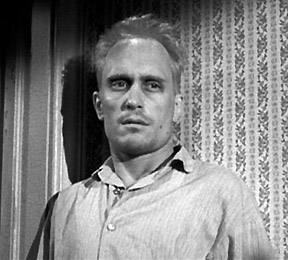 |
| Boo Radley of To Kill a Mockingbird |
 |
| Mr. Clark of Grey's Anatomy |
Works Cited
Lee, Harper. To Kill A Mockingbird. Philadelphia
Rhimes, Shonda. "Sanctuary." Grey's Anatomy. Dir. Stephen Cragg. ABC. 20 May 2010. Television.
Monday, February 6, 2012
Taylor Swift- Better Than Revenge
Although jumping around and singing in a girly voice doesn't really seem to fit Iago's character, in a way this would be his perfect theme song. One of the main (supposed) motivations behind his actions is to get revenge on Othello for sleeping with his wife. Just like Taylor in this song, he is eager to prove that he is not someone to be messed with. If Othello did sleep with his wife, he obviously "underestimated just who he was stealing from." Iago also obviously had a way with manipulating words, to be convincing and to appear polite even when he may not be actually doing so. Taylor Swift exhibits this talent when she says "she's better known for the things that she does on the mattress". I have always thought this was, if possible, a very classy way to insult a girl for being easy. In the same way, Iago plays with words to make insults seem sweet and terrible ideas seem logical. So, since this is his new theme song, can't you see Iago strutting down the streets of Cyprus with it playing in the background?
Link to the lyrics:
http://www.metrolyrics.com/better-than-revenge-lyrics-taylor-swift.html
 Whoa, Taylor's looking edgy there. It's new for her, but much more in the style of Iago, I'd say.
Link to the lyrics:
http://www.metrolyrics.com/better-than-revenge-lyrics-taylor-swift.html

Thursday, February 2, 2012
What you know, you know.
"Killing myself, to die upon a kiss."
V. ii. 357.
Really? Reaaallyyy? Of course, suicide is "noble" in old times. I know this is another Shakespearean tragedy, so it can only be expected that the main character be killed or commit suicide, but really? It is like a gigantic nuclear bomb exploded on Shakespeare's play set. I did, however, find it interesting that Iago lived. I was slightly glad, despite my hatred of him. I've grown close to the character, and want him to understand that his actions are wrong and pay for them, rather than just dying in ignorance of how evil he is. The most frustrating part of this play, however, was not finding out Iago's motivation for his work. I think he was potentially just insane. Or, he wanted Desdemona for himself. However, he was pushing for her death, so that may not have been it either. Perhaps he actually wanted Bianca, and just wanted everyone else out of the way. Or, maybe everyone was wrong about him, and he had homosexual tendencies and actually was trying to clear out Desdemona so he could be with Othello. Maybe, he just wanted to be at the top of Cyprus' government himself, and it had nothing to do with love, just power. I guess we'll never know, for as Iago says:
"What you know, you know."
V. ii. 303.
Annoying. Although the play overall was fantastic, I was ecstatic to feel like I was finally understanding Shakespeare.
V. ii. 357.
Really? Reaaallyyy? Of course, suicide is "noble" in old times. I know this is another Shakespearean tragedy, so it can only be expected that the main character be killed or commit suicide, but really? It is like a gigantic nuclear bomb exploded on Shakespeare's play set. I did, however, find it interesting that Iago lived. I was slightly glad, despite my hatred of him. I've grown close to the character, and want him to understand that his actions are wrong and pay for them, rather than just dying in ignorance of how evil he is. The most frustrating part of this play, however, was not finding out Iago's motivation for his work. I think he was potentially just insane. Or, he wanted Desdemona for himself. However, he was pushing for her death, so that may not have been it either. Perhaps he actually wanted Bianca, and just wanted everyone else out of the way. Or, maybe everyone was wrong about him, and he had homosexual tendencies and actually was trying to clear out Desdemona so he could be with Othello. Maybe, he just wanted to be at the top of Cyprus' government himself, and it had nothing to do with love, just power. I guess we'll never know, for as Iago says:
"What you know, you know."
V. ii. 303.
Annoying. Although the play overall was fantastic, I was ecstatic to feel like I was finally understanding Shakespeare.
You go, girl!
How is Emilia a dynamic character?
At the beginning, Emilia is quiet, timid and passive. Her husband puts her down and controls her, and she seems eager to please him. She simply takes his criticism-
IAGO: "You rise to play, and go to bed to work."
EMILIA: " You shall not write my praise."
II.i. 115-116
I was frustrated with Emilia at the beginning. How could she let a man talk to her like that? However, we see her become a loyal friend to Desdemona, including when Othello questions her about an affair-
OTHELLO: "You have seen nothing, then?"
EMILIA: "Now ever heard, nor ever did suspect...
I durst, my lord, to wager she is honest,
lay down my soul at stake."
IV.ii.1-2, 11-12.
Eventually, we even see Emilia stand up to her treacherous husband, in front of many people. She acts out of loyalty and love, but it is also evident she has become confident. I was so proud! I couldn't believe that the woman who appeared so insignificant made such a huge difference in the story line.
EMILIA: "You told a lie, an odious, damned lie,
Upon my soul, a lie, a wicked lie!"
At the beginning, Emilia is quiet, timid and passive. Her husband puts her down and controls her, and she seems eager to please him. She simply takes his criticism-
IAGO: "You rise to play, and go to bed to work."
EMILIA: " You shall not write my praise."
II.i. 115-116
I was frustrated with Emilia at the beginning. How could she let a man talk to her like that? However, we see her become a loyal friend to Desdemona, including when Othello questions her about an affair-
OTHELLO: "You have seen nothing, then?"
EMILIA: "Now ever heard, nor ever did suspect...
I durst, my lord, to wager she is honest,
lay down my soul at stake."
IV.ii.1-2, 11-12.
Eventually, we even see Emilia stand up to her treacherous husband, in front of many people. She acts out of loyalty and love, but it is also evident she has become confident. I was so proud! I couldn't believe that the woman who appeared so insignificant made such a huge difference in the story line.
EMILIA: "You told a lie, an odious, damned lie,
Upon my soul, a lie, a wicked lie!"
Iago- A love-hate relationship?
"My medicine, work! Thus credulous fools are caught,
And many worthy and chaste dames even thus,
All guiltless, meet reproach. What ho! My lord!"
Othello IV. i. 43-45
#9 Though Othello is the protagonist, the majority of soliloquies and asides are given to Iago. Why?
This play gives a different perspective to the traditional story and stage setup. Partly, I believe that Shakespeare wrote it in this form just to mix things up for once. I also believe he did this to show why and how the characters are so easily tricked. Iago is cunning, and his plans well thought out. This not only explains how they characters were tricked, but causes the audience to almost root for the antagonist. As humans we automatically side with clever, logical people because it is the most sensical thing to do. It is also easy to cheer for Iago because you feel close to him, almost like you are his confidant. Either way, Shakespeare obviously was presenting his audience with a new way to view characters, which makes the story entertaining, mysterious, and with opposing viewpoints.
And many worthy and chaste dames even thus,
All guiltless, meet reproach. What ho! My lord!"
Othello IV. i. 43-45
#9 Though Othello is the protagonist, the majority of soliloquies and asides are given to Iago. Why?
This play gives a different perspective to the traditional story and stage setup. Partly, I believe that Shakespeare wrote it in this form just to mix things up for once. I also believe he did this to show why and how the characters are so easily tricked. Iago is cunning, and his plans well thought out. This not only explains how they characters were tricked, but causes the audience to almost root for the antagonist. As humans we automatically side with clever, logical people because it is the most sensical thing to do. It is also easy to cheer for Iago because you feel close to him, almost like you are his confidant. Either way, Shakespeare obviously was presenting his audience with a new way to view characters, which makes the story entertaining, mysterious, and with opposing viewpoints.
Thursday, January 26, 2012
A mysterious woman
"But here's my husband,
And so much duty as my mother showed
To you, preferring you before her father,
So much I challenge that I may profess
Due to the Moor my lord."
Othello, I.iii.184-187
Okay. At this point, there is nothing to prove that Desdemona has cheated on her husband. Or, in all honesty, that she ever would cheat on her husband. The above passage is just one example of Desdemona speaking her love and loyalty to her husband. However, I think Desdemona has a bit of an evil side to her. Her exchange about women with Iago is what makes me think this; the way they bantered back and forth, easily joking with one another makes me think that they are similiar. And, since Iago is obviously the antagonist of the story, Desdemona may not be all pure herself. As the Brabantio warns Othello, "Look to her, Morr, if though hast eyes to see. She has deceived her father, and may thee." I.iii.189-190.
And so much duty as my mother showed
To you, preferring you before her father,
So much I challenge that I may profess
Due to the Moor my lord."
Othello, I.iii.184-187
Okay. At this point, there is nothing to prove that Desdemona has cheated on her husband. Or, in all honesty, that she ever would cheat on her husband. The above passage is just one example of Desdemona speaking her love and loyalty to her husband. However, I think Desdemona has a bit of an evil side to her. Her exchange about women with Iago is what makes me think this; the way they bantered back and forth, easily joking with one another makes me think that they are similiar. And, since Iago is obviously the antagonist of the story, Desdemona may not be all pure herself. As the Brabantio warns Othello, "Look to her, Morr, if though hast eyes to see. She has deceived her father, and may thee." I.iii.189-190.
Dumb it down for me a bit
"Her father loved me, oft invited me,
Still questioned me the story of my life
From year to year, the battles, sieges, fortunes"
Othello, I.iii.127-129
In Othello, two different forms of language are exhibited; iambic pentameter and prose. Both types are used in different situations, but by the same character- Iago. When Iago is speaking to Othello, the Duke, Cassio, or any other high-class citizen, he uses iambic pentameter. However, when speaking to Roderigo, he speaks in prose. I believe he talks down to Roderigo, trying to appear closer to him and more on his level. However, when talking to high-class citizens, he wants to appear educated. It is a natural thing to do- when talking to friends, the average human would use different language then when talking to their boss. Suprisingly for me, I was able to understand the iambic pentameter better. It seemed to have a flowing rhythm, while the prose seemed to all mesh together in a jumble of words. Who knew I would ever understand Shakespearean poetry?!
Still questioned me the story of my life
From year to year, the battles, sieges, fortunes"
Othello, I.iii.127-129
In Othello, two different forms of language are exhibited; iambic pentameter and prose. Both types are used in different situations, but by the same character- Iago. When Iago is speaking to Othello, the Duke, Cassio, or any other high-class citizen, he uses iambic pentameter. However, when speaking to Roderigo, he speaks in prose. I believe he talks down to Roderigo, trying to appear closer to him and more on his level. However, when talking to high-class citizens, he wants to appear educated. It is a natural thing to do- when talking to friends, the average human would use different language then when talking to their boss. Suprisingly for me, I was able to understand the iambic pentameter better. It seemed to have a flowing rhythm, while the prose seemed to all mesh together in a jumble of words. Who knew I would ever understand Shakespearean poetry?!
The Big Green Monster
IAGO: "Why, then I think Cassio's an honest man."
OTHELLO: "Nay, yet ther's more in this.
I prithee speak to me as to thy thinkings."
Othello II.iii.130-131
Is Othello a person jealous "by nature"? Does he show any dispostition to jealousy in the first two acts?
In general, Othello doesn't seem to be a jealous person by nature. In fact, at first he seems delighted at the idea of Cassio's friendship, and not at all bothered by Cassio being friendly with Desdemona. However, he does seem to be a cautious person "by nature". He is easily manipulated by Iago, but still at least seems inclined to search for the truth- he understands that as a person in power, he must be on the watch for betrayers. This is shown when he says "No, to be once in doubt is once to be resolved" II.iii.180-181
He is determined to know the truth, but doesn't seem to be immediately jealous. He especially proves this when he demands Cassion gives him proof of an affair in Act III, because he doesn't immediately believe that Cassio and Desdemona would betray him in such a terrible way. It seems that Iago is simply good at bringing out the worst qualities in people.
OTHELLO: "Nay, yet ther's more in this.
I prithee speak to me as to thy thinkings."
Othello II.iii.130-131
Is Othello a person jealous "by nature"? Does he show any dispostition to jealousy in the first two acts?
In general, Othello doesn't seem to be a jealous person by nature. In fact, at first he seems delighted at the idea of Cassio's friendship, and not at all bothered by Cassio being friendly with Desdemona. However, he does seem to be a cautious person "by nature". He is easily manipulated by Iago, but still at least seems inclined to search for the truth- he understands that as a person in power, he must be on the watch for betrayers. This is shown when he says "No, to be once in doubt is once to be resolved" II.iii.180-181
He is determined to know the truth, but doesn't seem to be immediately jealous. He especially proves this when he demands Cassion gives him proof of an affair in Act III, because he doesn't immediately believe that Cassio and Desdemona would betray him in such a terrible way. It seems that Iago is simply good at bringing out the worst qualities in people.
Subscribe to:
Posts (Atom)